enoa is a Mediterranean port city that will enchant you and sober you up.
Contrasts and preserved architectural remains revive the imagination. The city from which Christopher Columbus came and to which Master Paganini bequeathed his violins. The city of exceptional financial power has left clear signs for future generations.
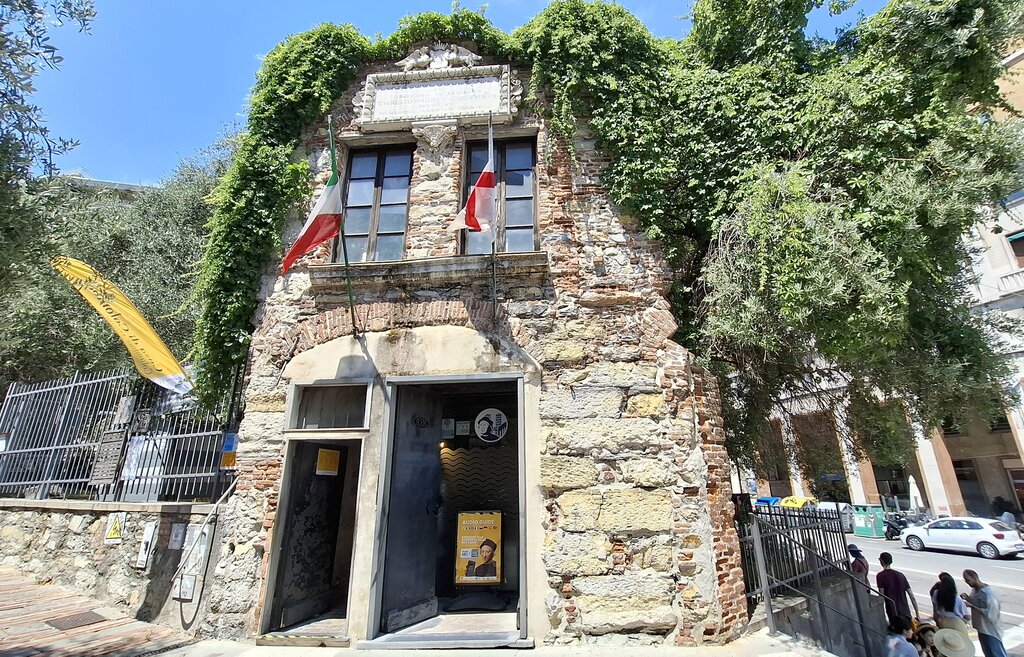
Genoa, the house where Christopher Columbus grew up
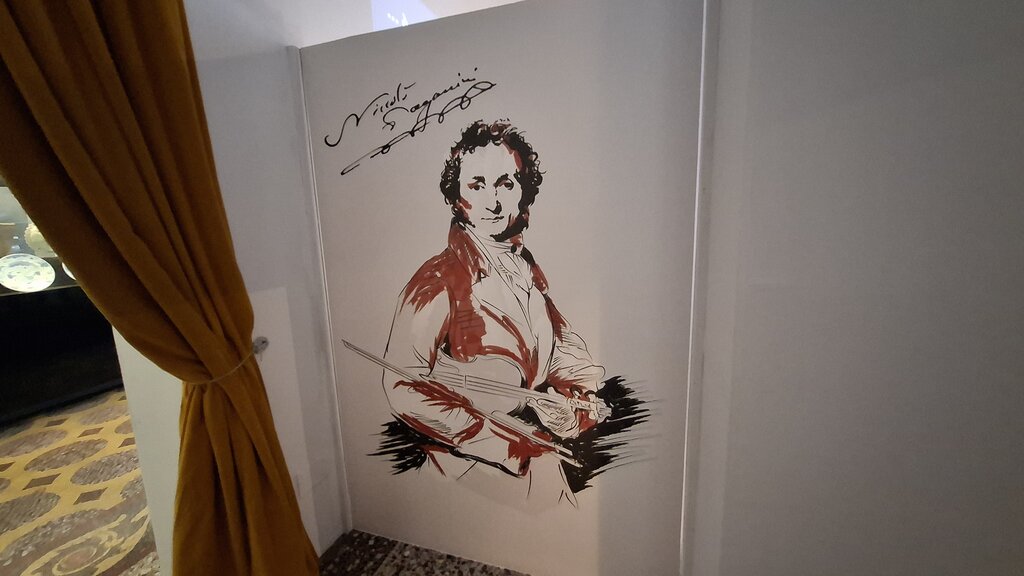
Nikolo Paganini, Palazzo Bianco, Djenova
In addition, he left a message: money likes to change hands, and not every risk always pays off. The powerful people of Djenova, given their historical role as financiers and investors for the European aristocracy, often went bankrupt, and even the most important objects changed hands. They change them even today.
Medieval architectural jewelry of Genoa
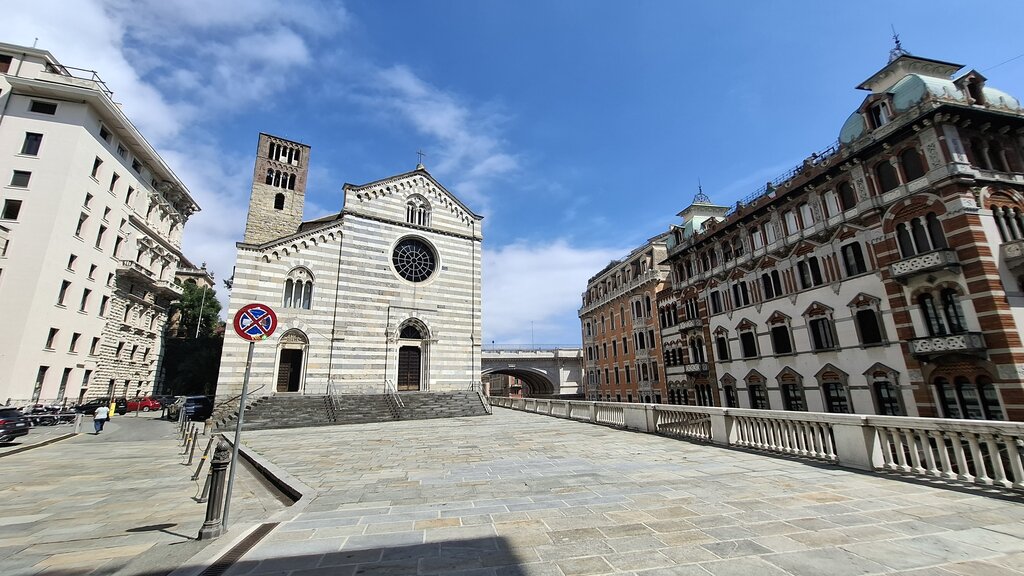
Abbazia di Santo Stefano represents the first of the three golden periods of Genoa - the Middle Ages.
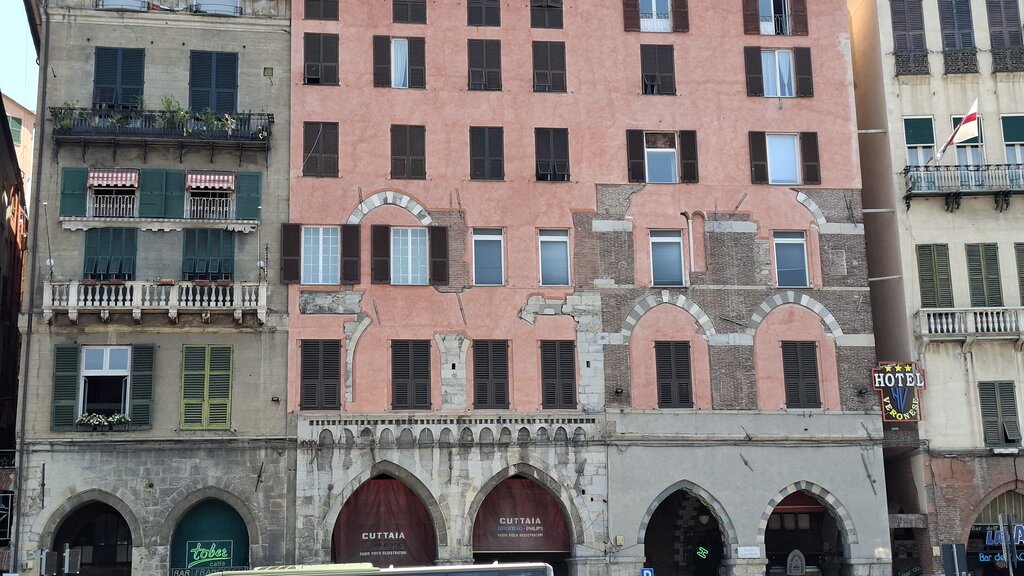
Medieval architectural "records" on the buildings give the city the taste of an open-air museum. Geological principle Spontaneous growth and deposits of memory are visible in the old town. Wherever you look, you will come across these memories, preserved in fragments on the facades.
The collaged appearance of the facades is attributed to a deep respect for past times.
Abazio di Santo Stefano 972. Piazza Santo Stefano, Genoa
It can be concluded that solid, representative buildings from the Middle Ages were not demolished - they were adapted and upgraded. Walled striped arches are particularly attractive. The closure with new walls is clearly visible. This approach appears to be professional-conservative, retaining the original parts with period-appropriate material and clearly emphasizing the new, added parts in more modern materials.
The somewhat chaotic look that was created in this way, however, has its justified reason - and that is the preservation of historical facts in their raw, unprocessed state.
For a longer walk and more complete enjoyment in the streets and landscapes of Genoa, watch the three-part video "Genoa in contrast" on the YouTube channel arxxi.
Facades with geological deposits
The conservation approach of preserving the original parts is the basis of today's approach to building new houses in inherited cores. History cannot be imitated; it must remain clearly visible, conspicuous at any cost.
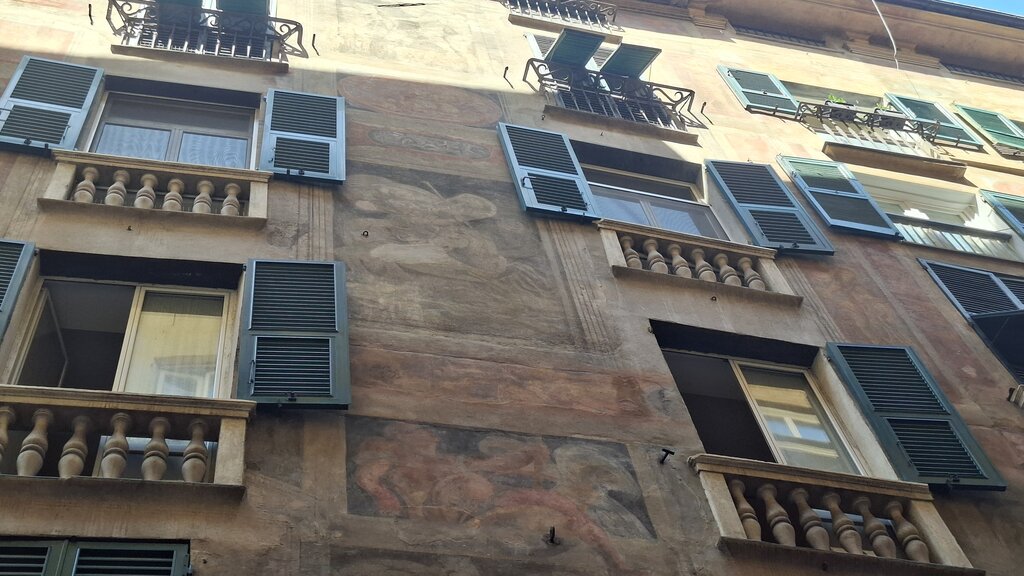
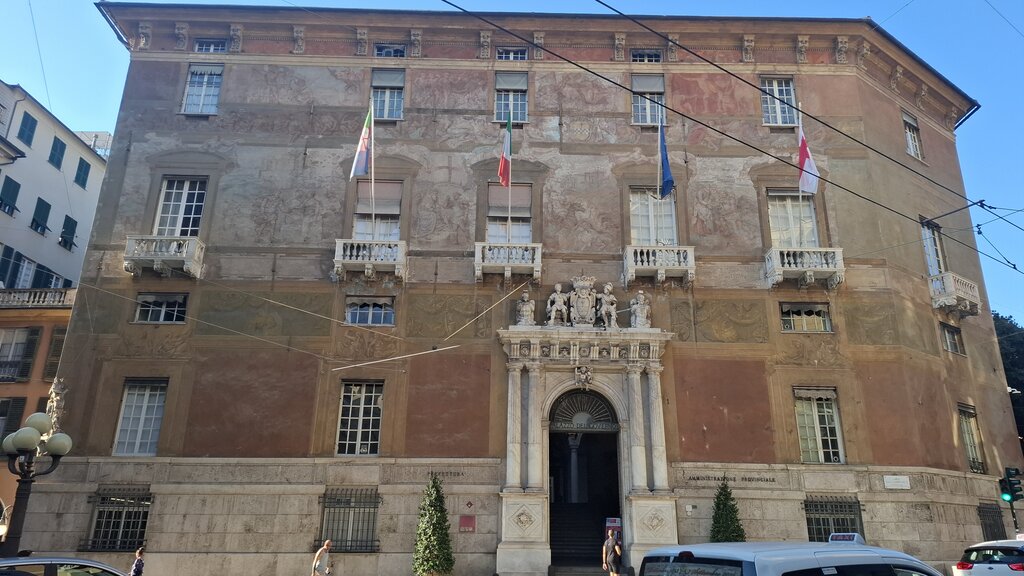
This is one reason why many of the painted facades from after the Middle Ages, for which Genoa is well known, remain unrestored. The desire to preserve their originality shows that owners, residents, and the city government appreciate the distinction.
Weathered, painted buildings carry the lingering scent of past wealth, hinting at the gravity of the lives once lived there and the distinguished owners and guests who walked their halls.
The second golden period of the 16th and 17th centuries
UNESCO 1, Antonio Doria
Via Garibaldi, Djenova
After the Ottoman Empire took over Genoa’s colonies, the wealthy Genoese returned home, bringing their fortunes with them. This shaped Genoa’s historical reputation for financing, investment, and providing financial support, even to the most prominent royal families.
The new reality demanded new representative facilities, both for the wealthy returnees and for their respected clientele with whom they would make deals.
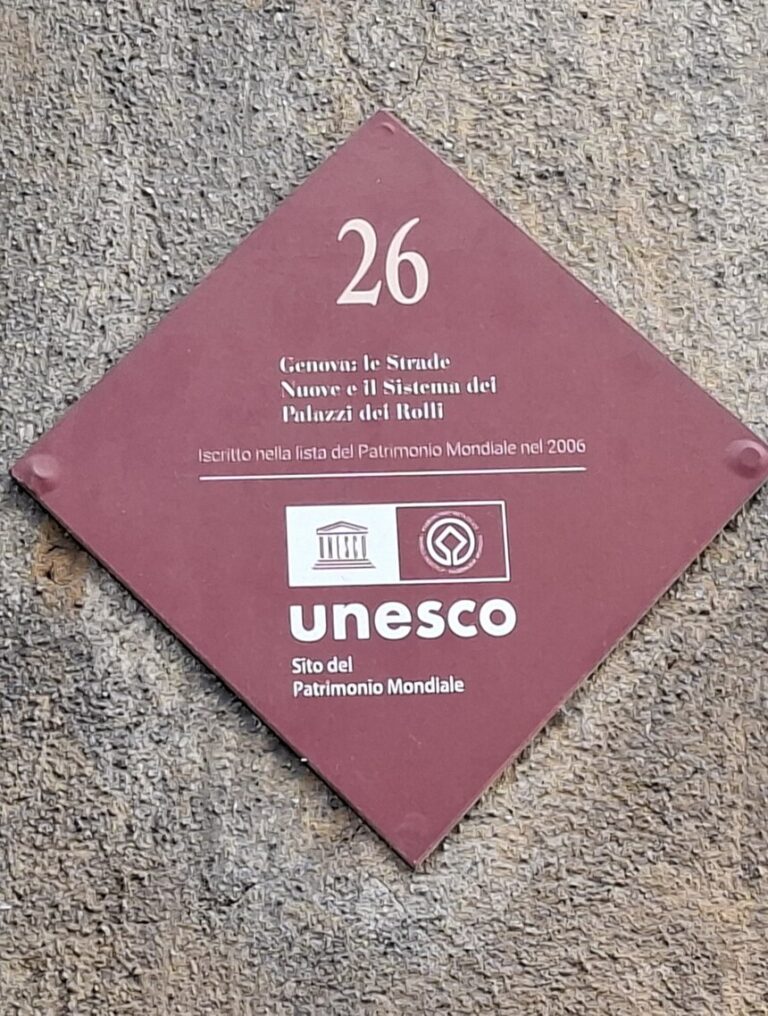
42 objects under the protection of UNESCO
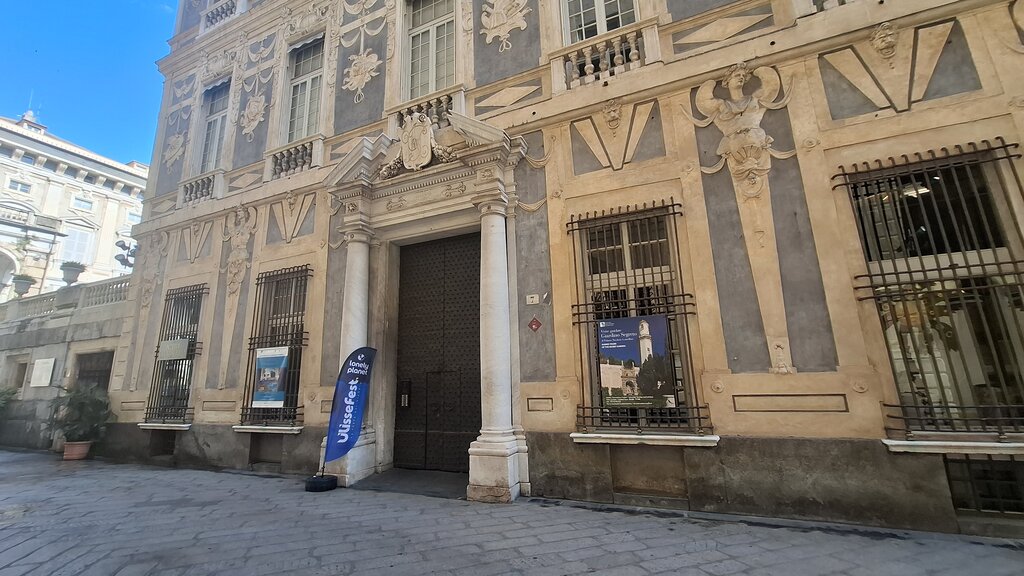
This is how the project LE STRADE NUOVE, i.e., "New streets" with new palaces for a new time, was born. Garibaldi Street was originally called Strada Nuova. In addition, Balbi Street and San Luca Street contain most of the 42 buildings under UNESCO protection.
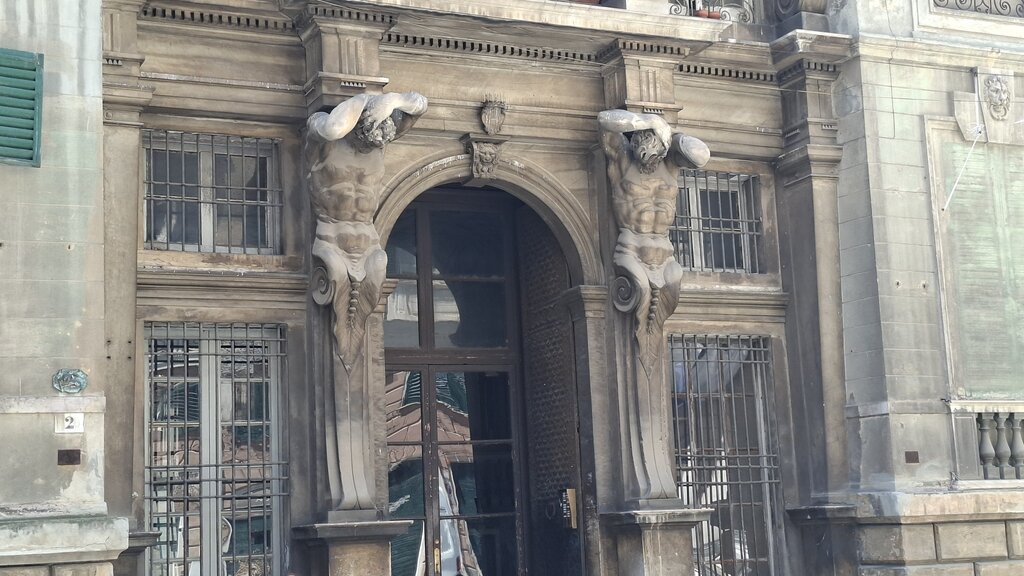
In the 16th and 17th centuries, influential families like the Spinola, Lomellini, Brignola, Balbi, Grimaldi, and Doria showcased their wealth and sophisticated taste through the impressive buildings they constructed.
The sumptuous but diverse facilities, which served to receive guests at the highest level, are called the Rolli Palace. There were also subsidies from the Republic for the reception of high-ranking officials, covering the full costs of hospitality services for the highest officials and partially covering the costs of middle-ranking officials' stays, which was precisely prescribed. The reception of important guests with whom deals were concluded was of state importance.
Palazzo Lomelini, Via Garibaldi
Palazzo Lomelini, bašta
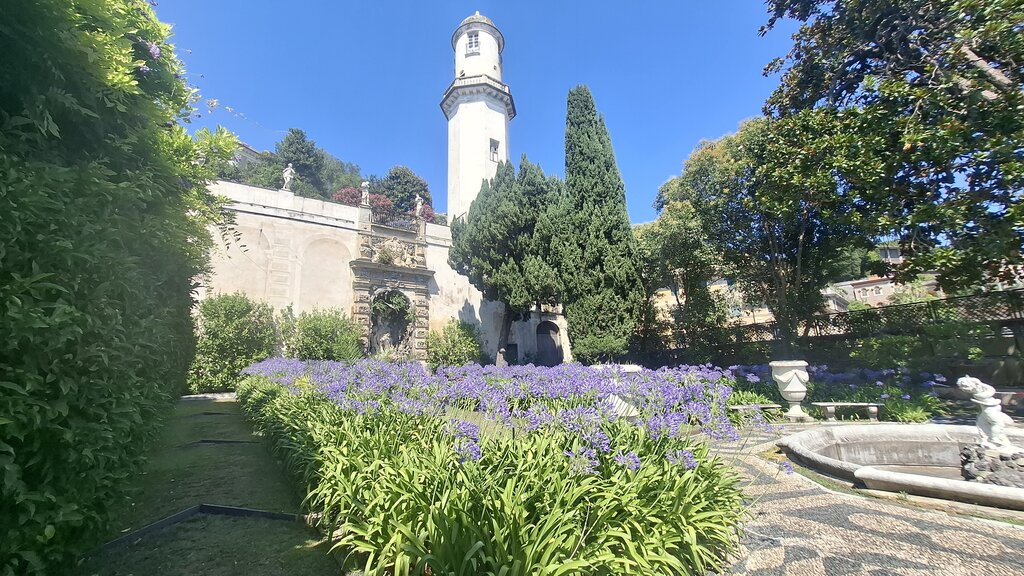
This brought novelty to the old city fabric bordered by slums. Private landscaped gardens were created within the palaces, concentrated in today's Garibaldi Street, on the side facing the mountains. At that time, it was an undeveloped area, inaccessible terrain.
Today, this green belt has disappeared, and everything is under buildings. Only a small number of gardens belonging to the palaces have been preserved.
The names of these palaces often changed with their frequent shifts in ownership. In the 19th century, one was chosen as the residence of the King of Sardinia, Carlo Savicci of Savoy. Before that, Napoleon had shown interest in buying it.
Palazzo Reale had a living heir until 2022, Marquis Stefano Ćesare Durazzo, a descendant of the family that gave the Doge of Genoa. Marquis lived with a sense of modesty, regardless of his glamorous background, working on dialogue between the Catholic and Orthodox churches.
Peter Paul Rubens and Genoa
In the period after 1600. the Flemish painter Rubens stayed in Genoa. The legacy is great.
Behind the modest facade of the Church of St. Ambrose and Andrea, now known as the Church of Christ (Chiesa del Gesù), lie altar paintings signed by the master, concealing priceless treasures.
Portraits were commissioned in which aristocrats were represented at full height, often on horseback, while wealthy patrons without noble titles could afford only half the figure.
And finally, a book of inestimable value for the history of architecture, composed of engravings on which Rubens presented the "Palaces of Genoa" from his pen. His drawings of these palaces remained for eternity. The book I wrote about is for sale in the museum's souvenir shops on Garibaldi Street.
Cascading cityscape
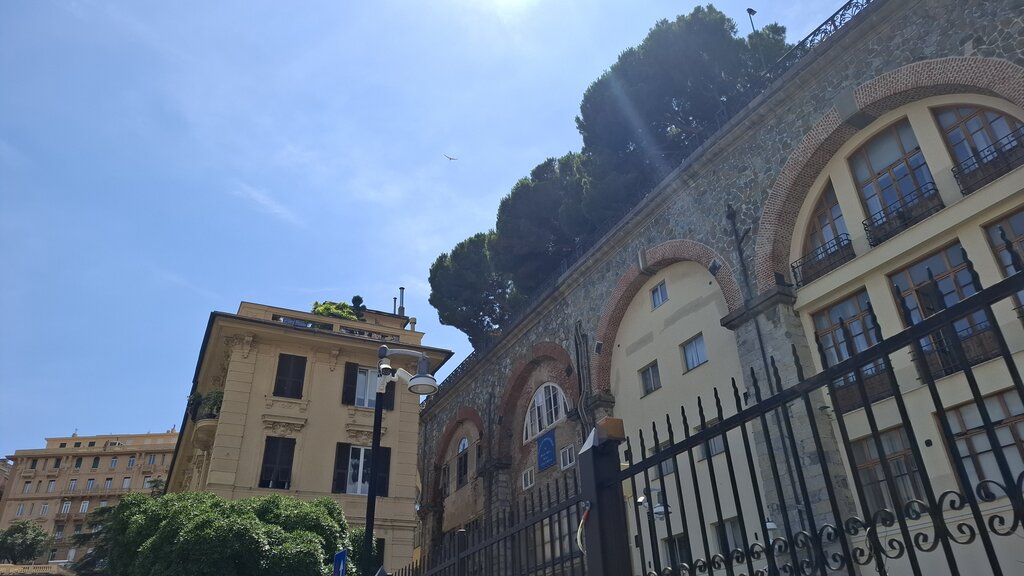
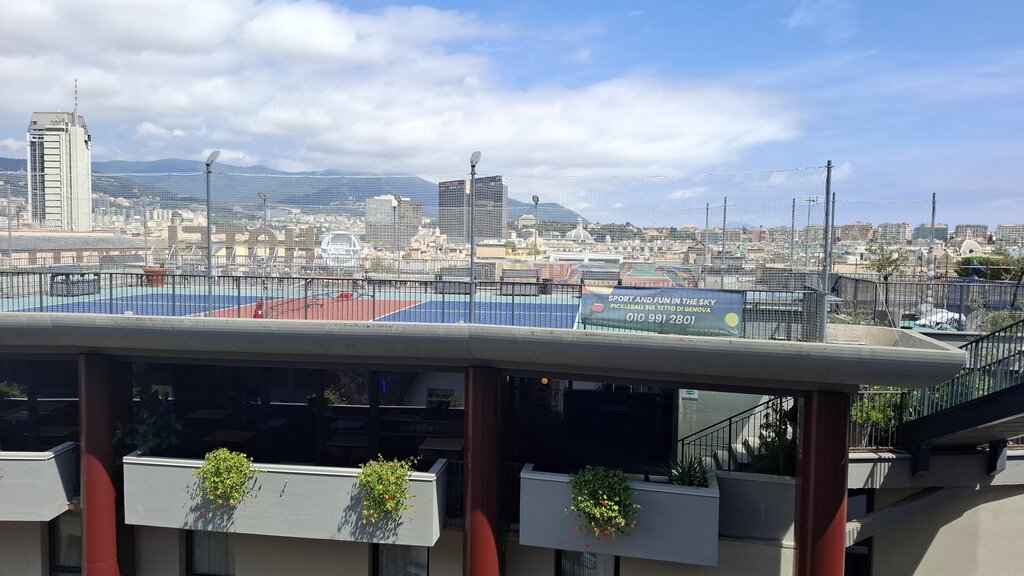
One of the most interesting features of Genoa is the inaccessible terrain on which neighborhoods have sprung up. Overcoming the terrain is achieved by serious engineering retaining walls that form serpentines. This has created a unique look for the city and turned it into a great place for adventure lovers to explore. Around every corner, you may be surprised by something completely unexpected: a church, a park, or a viewpoint.
To make it easier to overcome the height of the Cascades and reach their homes, Genoa installed 11 different modes of transport for the climb. Funiculars, elevators, and various combined systems have become a must-see attraction.
Some of them lead to points with the most beautiful views of the city and the sea.
Contemporary architect Renzo Piano leaves his mark on Genoa
Within the touristic part of the marina, new architectural stars were placed, for whose needs one of the greatest Italian architects was hired today.
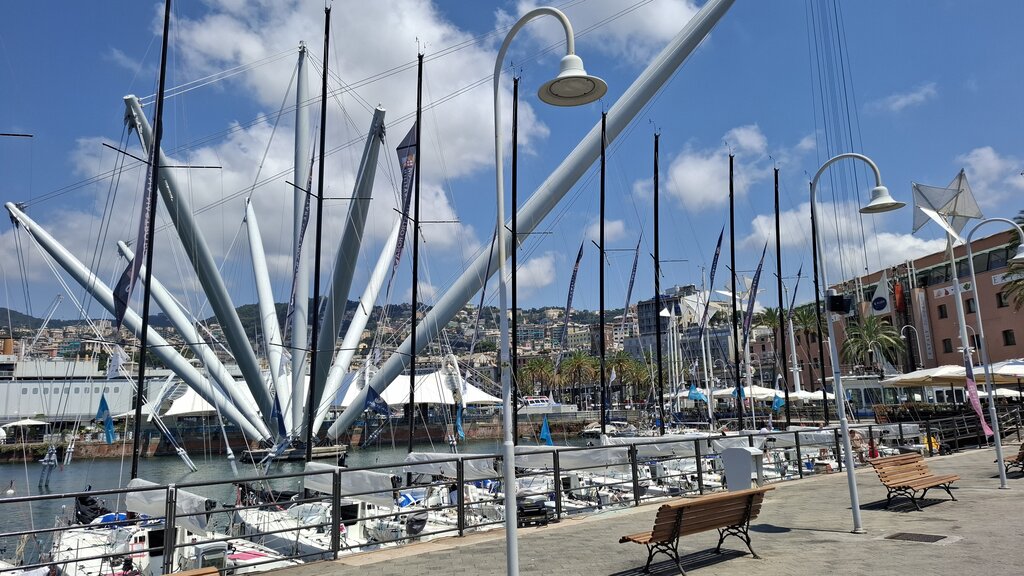
Renzo Piano designed the Aquarium building with a clean, simple style, complemented by a spherical tropical garden and a striking new feature made of white metal spikes. This distinctive structure echoes the port cranes once used to lift cargo. Now a tourist attraction, it offers visitors a ride in a glass cabin shaped like a bucket, lifting them high enough to take in views of the sea and Genoa’s historic center.
Renzo Piano gave the panorama of the port of Genoa a distinctive landscape that makes it stand out from the sea of Mediterranean port cities.
Architect by education. I am researching the theoretical foundations of the construction of modern buildings in the historic city core. Protection of historical heritage through revitalization - new life for old buildings.